

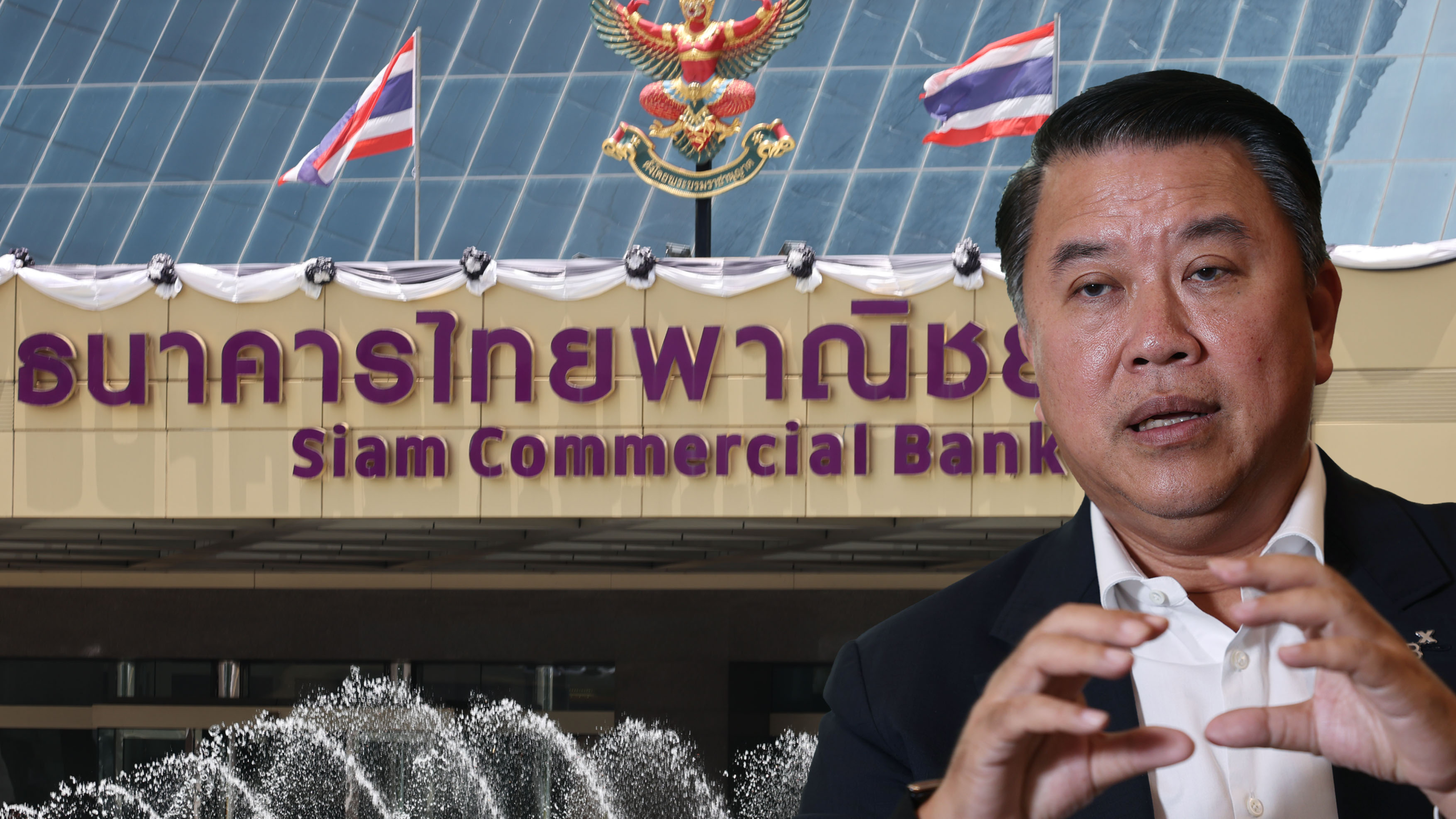
Citi 24/7 USD Clearing has its first live bank client. The Siam Commercial Bank has become the first financial institution client globally to go live on Citi’s integrated 24/7 USD Clearing paired with Citi Token Services, enabling near-instant cross-border USD payments for corporate and institutional clients at any hour, any day of the year.
The first live transaction moved funds from a Citi London account held by Phillip Capital Inc. to a beneficiary account at SCB in Thailand, settling over a US holiday weekend. That is precisely the transaction window traditional correspondent banking cannot serve.
How Citi 24/7 USD Clearing Works
Citi Token Services tokenises deposits held within Citi’s own global network on a private, permissioned blockchain that operates entirely inside the regulated banking system. So this is not a public crypto rail dressed up in bank language.
It is Citi using blockchain-style infrastructure to solve a boring but expensive problem. USD clearing has always run on a schedule built around US business hours, and a corporate treasurer in Bangkok who needs dollars to move on a Saturday has historically had no good options. Citi 24/7 USD Clearing connects more than 300 financial institutions across over 50 markets, and SCB is now the first client to put the integrated setup into live production rather than test it internally.
Why Citi 24/7 USD Clearing Suits a Regional Bank
For SCB, this is a way to offer its own corporate and institutional clients a genuine service upgrade, weekend and holiday USD settlement, without building any of the underlying infrastructure itself. It rides entirely on Citi’s rails and Citi’s balance sheet.
That is a sensible trade for a regional bank. SCB gets to market a capability that would otherwise require years of correspondent-banking relationship-building and infrastructure investment. In exchange, it depends more heavily on Citi as its USD clearing partner. SCB frames it as the first Thai bank to use tokenisation for cross-border dollar payments, which fits the Bank of Thailand’s broader push to modernise the country’s payments infrastructure.
Citi 24/7 USD Clearing and the Quiet Rebuild of Correspondent Banking
The bigger picture is that global banks are quietly rebuilding correspondent banking’s plumbing using tokenisation, one client relationship at a time, rather than waiting for an industry-wide standard.
Citi is doing this bilaterally with SCB while Swift is simultaneously trying to build a shared tokenised-deposit ledger that 17 banks, Citi among them, have joined. That tells you these efforts are not mutually exclusive yet. They are running in parallel. Citi gets to lock in bilateral relationships and market share now, through Citi 24/7 USD Clearing, while also hedging by participating in Swift’s shared infrastructure. Both bets protect its position if tokenised cross-border payments become the norm.
The Dependency Risk Inside Citi 24/7 USD Clearing
The risk for banks like SCB is dependency. Citi Token Services runs on a private, permissioned chain that Citi controls, so member banks are trusting Citi’s infrastructure and governance rather than a neutral network. The decentralisation that blockchain advocates usually emphasise is not really the point here. This is blockchain as an efficiency tool, not as trustless infrastructure.
Once your weekend USD clearing runs through one correspondent’s proprietary token rail, switching that relationship later is harder than switching a standard correspondent-banking arrangement. It is a good deal today. It is also the kind of good deal that gets more expensive to walk away from every year it runs. For scale, Citi’s payments business already moves roughly $6 trillion a day, and tokenised-deposit transfers inside that system reportedly average close to $1 billion daily, so the rail SCB is joining is not a science project.
What to watch is whether Citi announces additional regional banks going live on this same setup. That would signal it is building Citi 24/7 USD Clearing out as a real network rather than a one-off showcase deal.
Fintechbits covers financial technology, payments infrastructure, and digital assets. Nothing here constitutes financial advice. All analysis represents the editorial views of Fintechbits.
